
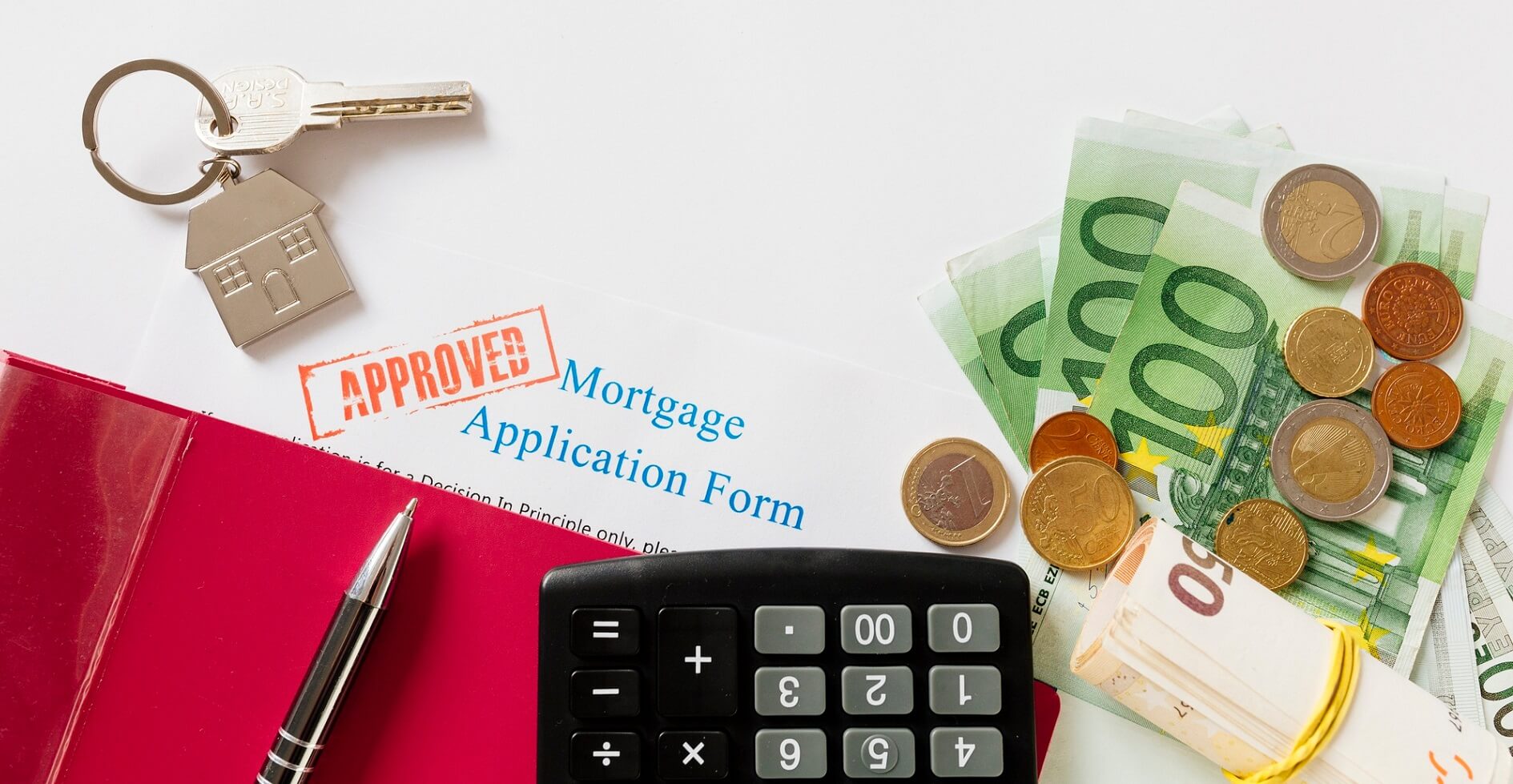


Getting a mortgage in Spain as a foreigner can seem overwhelming at first, especially if you’re navigating a new financial system, unfamiliar legal requirements and banks that operate differently from those in your home country.
Whether you’re planning to buy a holiday home, relocate permanently or invest in Spanish real estate, understanding how mortgages work for non-residents and expats is essential. The good news is that foreigners can obtain a Spanish mortgage, but the process comes with specific rules, documentation and financial thresholds that you should be aware of from the start.
This guide walks you through everything you need to know about mortgage eligibility, requirements, rates, documentation, and the step-by-step process. And if you need personalised guidance during your property purchase, Pellicer&Heredia can help you navigate every stage with expert mortgage agency services in Spain.
Can foreigners and non-residents get a mortgage in Spain?
Spanish banks regularly approve loans for buyers from the UK, the US, Europe, Canada, Australia and beyond. However, the conditions offered to non-residents are usually different from those available to Spanish residents.
Banks apply stricter affordability checks, request more documentation and typically lend a lower percentage of the property’s value, especially when the applicant lives and earns income abroad. Despite these limitations, Spain remains an attractive and accessible market for foreign buyers.
Eligibility and limitations
Spanish lenders assess foreign applicants using criteria similar to those applied to residents, but with additional controls. Most banks require that non-residents have stable employment, provable income and a clean credit history in their home country. Income earned abroad must be documented thoroughly, and banks may request translated or apostilled documents depending on the country of origin.
One key limitation is the loan-to-value ratio (LTV). While Spanish residents may receive up to 80% financing, non-residents usually obtain 60% or 70% of the property price or valuation (whichever is lower). Foreign buyers must therefore prepare a larger upfront deposit as well as additional funds for taxes, fees and closing costs—typically 13% of the purchase price. These conditions do not prevent foreigners from securing a mortgage but do require careful planning.
Can a UK citizen or American expat get a mortgage in Spain?
Yes. Both UK citizens and American expats are eligible for mortgages in Spain, although their circumstances differ slightly. UK citizens continue to be among the largest groups of foreign buyers, and although Brexit introduced some administrative changes, Spanish banks still lend regularly to British applicants. Documentation requirements may be stricter, but loan conditions remain favourable for those with stable income and good credit.
American citizens can also obtain mortgages in Spain, but the process may involve additional compliance checks due to US financial legislation, including FATCA. Banks may require extra documentation regarding tax compliance, foreign accounts and identity verification. Nonetheless, Americans living abroad or working in the US are regularly approved for mortgages, provided their financial position meets Spanish lending criteria.
How easy is it to get a mortgage in Spain as a foreigner?
The ease of getting a mortgage in Spain depends largely on your financial situation, documentation and country of residence. For foreigners with stable income, manageable debt levels and clear financial records, the process is straightforward.
The main challenges tend to be administrative rather than financial: additional documents, certified translations, cross-border income verification and strict affordability checks. With preparation and the right guidance, most foreigners find the process manageable.
What do you need for getting a mortgage in Spain?
Spanish banks follow a strict but transparent process when assessing foreign applicants. Whether you are a non-resident, an expat living in Spain, or someone earning income abroad, you will understand these requirements. The following elements are essential for securing a mortgage in Spain as a foreign buyer.
Income requirements
Spanish lenders prioritise stable, predictable income. For employed applicants, this typically means a permanent contract, consistent salary payments and at least six to twelve months of employment history. Self-employed applicants must provide evidence of regular income through tax returns and business accounts.
Banks will also consider foreign income, but they may apply additional scrutiny, especially if it comes from multiple sources or fluctuates. Income earned in a different currency may be subject to additional risk adjustments to account for exchange rate volatility.
Debt-to-income ratios
One of the most important lending criteria is the debt-to-income ratio, known in Spain as ratio de endeudamiento. Most lenders require that your total monthly debt obligations ,including the new mortgage, do not exceed 30–35% of your net monthly income.
This ratio helps banks determine whether applicants can comfortably meet monthly repayments. Foreigners with existing loans, credit cards or mortgages abroad must include all ongoing commitments, not just those in Spain. Accurate disclosure is essential, as banks will cross-check financial information through international credit reports.
Essential documents
Foreign applicants must provide a set of documents proving identity, income, tax compliance and financial stability. Although the exact list may vary slightly depending on the bank, typical requirements include:
- Passport or national ID.
- NIE (Foreigner Identification Number in Spain).
- Recent bank statements (usually last 6–12 months).
- Payslips or proof of salary.
- Employment contract.
- Tax returns from your home country (typically last 2 years).
- Credit report from your country of residence.
- Proof of existing debts or loans.
- Details of the property you wish to purchase.
Some banks may require documents to be translated into Spanish and officially certified or apostilled, depending on your country of origin.
Do you need life insurance for obtaining a Spanish mortgage?
Life insurance is not legally mandatory for getting a mortgage in Spain, but many banks strongly encourage or require it as part of the approval process. In some cases, life insurance is included as a condition for securing better interest rates, especially for foreign applicants.
While it is legal to choose your own insurance provider, banks often prefer that borrowers take out policies linked to the mortgage. Before agreeing, it’s important to compare offers and understand how insurance affects the total cost of your mortgage over time.
Loan-to-value ratios for foreigners
Loan-to-value (LTV) ratios determine the percentage of the property price the bank is willing to finance. For foreign buyers and non-residents, Spanish banks typically offer:
- 60%–70% financing for non-residents.
- Up to 80% financing for residents with strong financial profiles.
This means foreign buyers must prepare a deposit covering the remainder of the purchase price, plus additional funds to cover taxes and fees. Because non-residents are considered higher-risk borrowers, banks often apply stricter LTV limits compared to residents.
Bank fees, taxes and additional purchase costs
In addition to the deposit, buyers must also budget for several mandatory costs associated with purchasing property in Spain. These generally range from 10% to 13% of the property price and include:
- Property transfer tax (ITP) or VAT + stamp duty for new builds.
- Notary fees.
- Land Registry fees.
- Bank arrangement fees (usually 0.5%–1.5%).
- Mortgage valuation (tasación).
- Legal fees for independent advice.
Foreign buyers should factor in these costs early to avoid surprises, as they must be paid upfront and cannot be included in the mortgage amount.
Types of mortgages available in Spain
Spain offers several mortgage options for foreigners, non-residents and expats, each with different advantages depending on income stability, risk tolerance and long-term financial goals. Spanish lenders typically offer three primary mortgage structures:
Fixed-rate mortgages
A fixed-rate mortgage offers stability and predictable repayments over the long term. With this option, the interest rate remains the same throughout the entire duration of the loan, regardless of market fluctuations or changes in European interest rates.
For expats and non-residents, fixed-rate mortgages provide peace of mind, especially if income is earned abroad or in another currency. Many foreign buyers prefer the security of knowing their mortgage payments will not increase unexpectedly. However, fixed-rate mortgages sometimes come with slightly higher initial rates compared to variable ones, and early repayment fees can be higher.
Variable-rate mortgages linked to Euríbor
Variable-rate mortgages in Spain are directly linked to the Euríbor (Euro Interbank Offered Rate), the reference index that influences most mortgages across Europe. This means your interest rate will rise or fall depending on market conditions.
This type of mortgage often starts with a lower initial rate, making it attractive to buyers looking for short-term affordability. However, because the Euríbor can fluctuate significantly, monthly payments may increase over time.
Mixed mortgages: a hybrid option
Mixed mortgages combine the stability of fixed-rate loans with the flexibility of variable-rate mortgages. Typically, the mortgage begins with a fixed-rate period, often between 3 and 10 years, followed by a variable rate linked to the Euríbor for the remainder of the loan.
This structure appeals to expats who want predictable payments during the initial years of property ownership, while still benefiting from potentially lower variable rates in the future. Mixed mortgages can offer a balanced solution, especially for non-residents unsure about long-term plans or those expecting financial changes in the coming years.
Step-by-step process for obtaining a mortgage in Spain
The process of securing a mortgage in Spain is well-structured, but for foreigners and non-residents, it involves a few additional steps compared to local applicants. Understanding each phase helps avoid delays and ensures a smooth experience when buying a property in Spain.
Getting pre-approval from a Spanish bank
The first recommended step is obtaining mortgage pre-approval (also called prequalification) from a Spanish lender. Pre-approval provides a clear picture of how much you can borrow, the interest rates available to you and the loan-to-value ratio the bank is willing to offer based on your financial profile.
For foreigners, pre-approval is especially valuable because it helps demonstrate financial capacity to sellers and estate agents, strengthening your negotiating position. During this phase, the bank will review your income, employment status, credit history and debt-to-income ratio, as well as request preliminary documentation from your home country.
Property valuation and why it matters
Once you have chosen a property, the bank will order an official property valuation, known in Spain as a tasación. The valuation determines the property’s market value, and the bank will base your mortgage amount on either the purchase price or the valuation, whichever is lower.
This step is essential because it protects both the bank and the buyer from overpaying. If the valuation comes in lower than expected, you may need to increase your deposit to cover the difference.
Signing the mortgage deed before a notary
Once the mortgage has been approved and all conditions are agreed upon, the final step is signing the mortgage deed (escritura de hipoteca) before a Spanish notary. This often occurs on the same day as signing the property purchase deed (escritura de compraventa).
During the signing, the notary ensures that all legal requirements have been met and that both the bank and the buyer understand the agreed mortgage terms. For foreigners, it is strongly recommended to have an independent lawyer present to review the deed, confirm the bank conditions and protect your interests.
Timeframe: how long does it take to get a mortgage in Spain?
For foreign applicants, the mortgage process typically takes between 4 and 8 weeks, depending on the bank, country of origin, documentation complexity and the time required for valuation. Non-residents may experience slightly longer timelines due to the need for certified translations, apostilled documents or international credit checks.
Common challenges when getting a mortgage in Spain as an expat
Although Spanish banks regularly approve mortgages for foreigners, the process can be more complex for expats than for local residents. Below are the most common difficulties expats encounter when applying for a mortgage in Spain and how to navigate them effectively.
Currency exchange risks and income earned abroad
One of the biggest challenges for foreign buyers is managing income earned in a different currency. If your salary or pension is paid in GBP, USD, CAD or AUD, fluctuations in exchange rates can affect your ability to meet monthly repayments. Spanish banks may also apply more conservative lending criteria to account for this additional risk.
Expats should consider using long-term currency planning, regular-transfer services or financial products designed to minimise exchange rate exposure.
Bank requirements for foreign employment contracts
Spanish banks must verify not only your income but also the stability and legality of your employment, which can be more complicated when your employer is based abroad. Foreign contracts often follow different structures from Spanish ones, and banks may require:
- Certified translations of contracts.
- Proof of ongoing employment.
- Tax returns from your home country.
- Bank statements showing consistent salary payments.
Self-employed expats face additional scrutiny, as banks must determine the reliability of international income and business activity. Preparing these documents early helps avoid delays in the approval process.
Buying property without proper legal due diligence
Another common challenge is proceeding with a purchase without independent legal checks. Many expats rely solely on estate agents or sellers, which can lead to serious issues, including:
- Undisclosed debts attached to the property.
- Planning violations or unauthorised extensions.
- Incorrect registration in the Land Registry.
- Problems with community fees or unpaid taxes.
Proper legal due diligence ensures the property is safe to buy and free from hidden liabilities.
Legal advice for foreigners buying property and applying for a mortgage
Legal procedures, documentation standards and banking requirements differ from those in the UK, the US and other countries, making it essential to have professional guidance throughout the process. Working with experienced Spanish property lawyers ensures that every legal step is handled correctly, protecting both your investment and your long-term financial stability.
Why you should use an independent lawyer?
He works exclusively on your behalf—not for the seller, the estate agent or the bank. This is particularly important in Spain, where property transactions can involve various intermediaries with different interests. Your lawyer ensures that all legal aspects of the purchase are transparent, compliant and free from unexpected obligations.
Independent representation also protects foreign buyers from common pitfalls, such as signing contracts without proper review, misunderstanding bank conditions or relying on unregulated advisors. Having a dedicated professional ensures that your rights are safeguarded from the first deposit to the final notary signing.
Reviewing contracts, bank conditions and hidden clauses
Spanish mortgage contracts and purchase agreements can include complex terminology, financial clauses and binding conditions that expats may not recognise. A specialist lawyer reviews:
- Mortgage terms and repayment structures.
- Commission and interest rate clauses.
- Early repayment penalties.
- Variable-rate conditions linked to Euríbor.
- Property purchase contracts.
- Deposit agreements (contrato de arras).
This level of oversight helps identify hidden clauses, unfair terms or obligations that could affect your long-term financial position.
Protecting your investment during the purchase process
Your lawyer plays a crucial role in verifying the legal status of the property before you commit financially. This includes checking that:
- The property is correctly registered in the Land Registry.
- There are no outstanding debts, mortgages or legal charges.
- Planning permissions and building licences are valid.
- Community fees and taxes are up to date.
- The seller has full legal authority to transfer the property.
For foreigners buying property in Spain, these steps are essential. Without proper due diligence, buyers risk inheriting debts, buying illegal constructions or facing costly legal disputes.
Need help securing a mortgage in Spain? Contact Pellicer&Heredia
Getting a mortgage in Spain as a foreigner becomes significantly easier when you have the right legal team guiding you through each step. At Pellicer&Heredia, we specialise in helping expats, non-residents and international buyers secure financing, review mortgage conditions and complete property purchase safely and efficiently.
Our experts provide personalised support tailored to your financial situation and country of origin. With extensive experience working with clients from the UK, the US, Europe, Canada, Australia and foreigners navigating the Spanish mortgage system.
For more information or assistance, contact Pellicer&Heredia on + 34 965 480 737 or email us at info@pellicerheredia.com

